
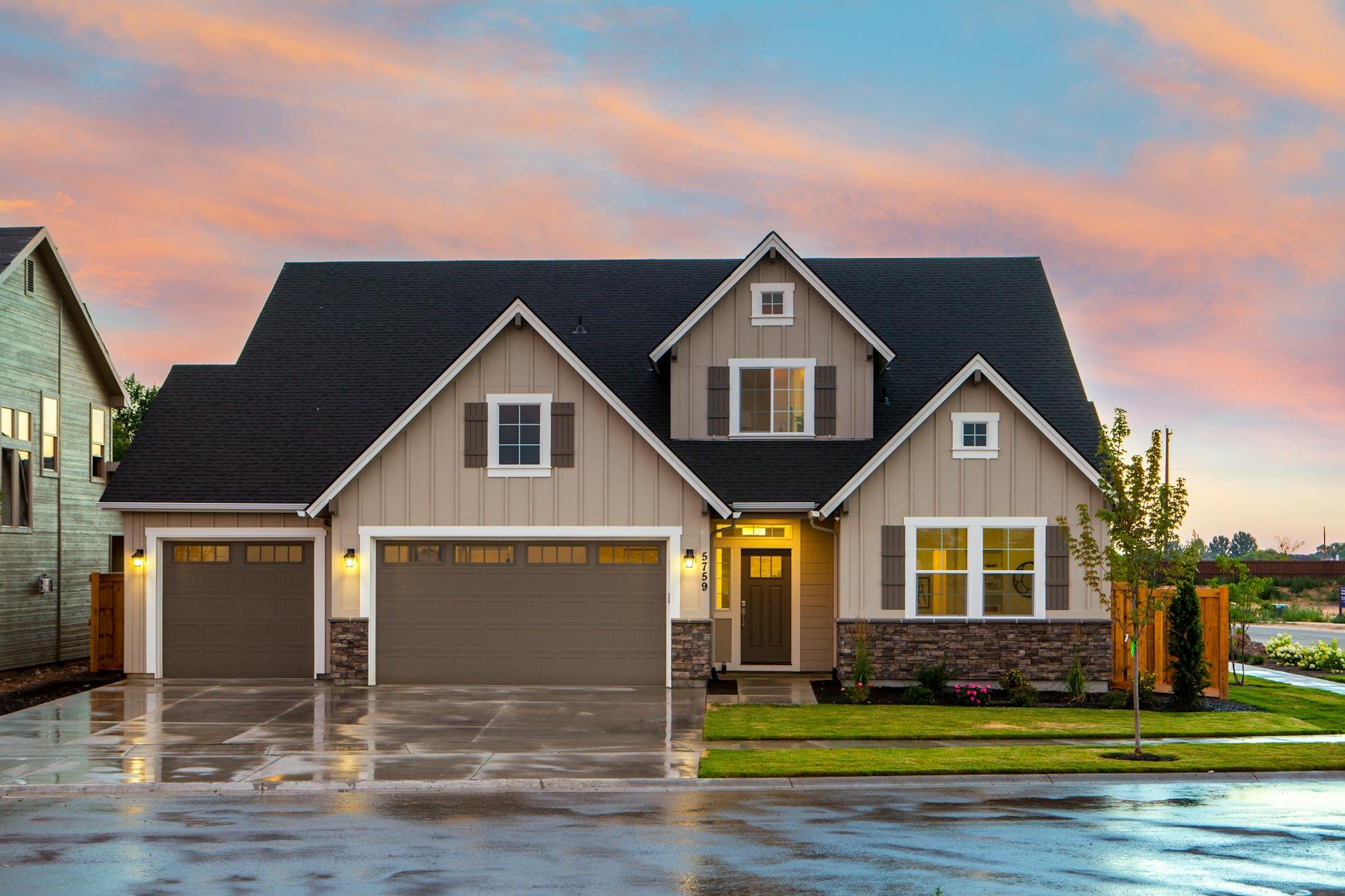
When it comes to new construction, buyers often weigh two options: custom builds and speculative (spec) houses. A custom build offers complete control but requires months of design decisions and longer timelines.
On the other hand, a spec house provides the appeal of new construction with a quicker move-in and far fewer choices to manage.
Below, you’ll find things to know before buying a house to help you determine which option is right for you.
What’s a spec home?
A builder constructs a spec house without an individual buyer in mind. The idea is simple — create a move-in-ready home without the months-long process of a custom build. Instead of customizing every detail, the builder chooses popular layouts, neutral colors, and standard finishes that appeal to a wide range of people.
Spec housing is most common in steady-demand markets. Builders know the homes will sell quickly, so they’re able to keep prices competitive. In 2024, spec houses made up about half of all new-home sales, and completed inventory climbed 49 percent to 110,000 nationwide. These numbers were the highest since August 2009.
...in as little as 3 minutes – no credit impact
Spec house vs. custom home: Key differences
Both spec and custom homes fall under new construction, though what buyers can expect from each is very different. The chart below highlights the features that set them apart.
| Aspect | Spec house | Custom home |
|---|---|---|
| Design | Builder chooses layout and finishes with broad appeal | Buyer customizes floor plan, finishes, and features |
| Timeline | Move-in-ready or near completion | Takes many months or longer |
| Price | Varies by location/materials; averages around $439,400 | Varies by location/materials; averages $520,500 |
| Flexibility | Limited personalization | Full control over design |
Pros and cons of buying a spec house
Spec houses can be a great fit for some buyers and less ideal for others. Below are the biggest benefits and drawbacks to keep in mind before purchasing one.
Pros
— Move-in ready: Spec houses are often complete or well underway, so buyers can move in quickly without waiting for lengthy construction delays. This makes them ideal if you need housing on a short timeline, like relocating for work or moving out of a rental.
— Modern design: Many spec houses feature contemporary layouts and finishes. That means features like updated kitchens and energy-efficient appliances are typically included in the price, giving buyers a modern home without the need for add-on upgrades.
— Builder incentives: In some cases, builders may offer discounts or promotions to sell more quickly, especially near the end of the quarter and in buyers’ markets. These incentives can include reduced closing costs or interest rate buydowns, making a spec house even more cost-effective.
Cons
— Limited personalization: Builders design the home before anyone steps in, and homeowners generally can’t change the layout or major finishes once construction is underway. This reduces flexibility for those who want more say in the details.
— Resale risk: Spec homes are often built to match current styles and buyer preferences. While that makes them appealing now, it might hurt resale value later if those trends fall out of fashion.
— Constrained location choice: Because spec homes are typically already under construction or completed by the time they’re sold, buyers may not always get their preferred lot or orientation. This can be a drawback if location is a top priority.
Spec home cost
A spec home typically costs more than resale properties but less than fully custom builds, though exact prices vary by market and finishes. Features that tend to play the biggest role include:
— Size and floor plan: Bigger homes with extra rooms and unique features usually carry a higher price tag. Consider what space you’ll realistically use — extra bedrooms, offices, and bonus rooms increase cost but may not add everyday value.
— Location: The home’s neighborhood and lot can influence price just as much as its size and features. Buyers should compare aspects such as commute times, grocery stores, and parks to decide if the cost is justified.
— Finishes and upgrades: Most spec homes come with standard packages, like stock carpet and cabinetry, that are built into the price. But if construction isn’t finished, buyers may sometimes choose paid upgrades, such as premium flooring or custom countertops. Ask the builder for a clear list of what’s included in the base cost versus what’s optional.
— Builder reputation: You can search builder reputation on sites like Houzz and ICI Homes. Look for patterns in feedback, such as build quality and timeline adherence. Then, ask the builder directly how they’ve addressed recurring concerns. If they don’t have a good answer, you may want to look for a different contractor to protect your investment.
— Market conditions: High demand drives competition, which can push spec property prices higher. Buyers can track market conditions on Zillow, Redfin, and local multiple listing service reports to see if homes are selling above list price or sitting longer.
When to buy a spec home
Timing can influence both your choices and your budget. Builders usually release more homes in the spring and summer, but competition can be fierce and properties may move fast. If you’re set on buying during these months, get preapproved for financing and be ready to make an offer right away.
Fall and winter tend to bring fewer active buyers, which can prompt builders to sweeten the deal with incentives such as reduced closing costs, free upgrades, and appliance packages. They also might push harder toward the end of a quarter or year to meet sales goals, which can translate into better discounts. If you’re flexible, purchasing around these slower periods could save you thousands.
But don’t just watch the calendar — consider your personal timeline, local inventory, and any builder incentives before purchasing. Weighing these factors together will help you find the best moment to buy.
...in as little as 3 minutes – no credit impact
How to buy a spec home: 4 steps
Buying a spec home can be simpler than building from scratch, but it still takes planning. These four steps will guide you through the process, from discovering the right property to closing the deal.
1. Find the right home
Start by searching builder websites like Toll Brothers or KB Home to explore neighborhoods with active spec home listings. Many have floor plans, photos, and virtual tours featured online, but only an in-person visit shows you the full picture. Touring the community lets you experience the day-to-day environment — from traffic levels to daily convenience.
Beyond the setting, the house itself should match your priorities, whether that means a home design that works for your daily needs or finishes that fit your style.
2. Secure financing
Before you begin making offers, you need a clear idea of your budget. So, start by reviewing your income and existing expenses to calculate the mortgage you can realistically afford each month.
From there, calculate how much you’ll need for a down payment. Lenders typically expect between 3–20 percent. The more you pay upfront, the less you borrow — and the lower your monthly payments. For example, on a $400,000 home, putting 10 percent down means $40,000 up front and a $360,000 loan.
Once you know how much you’ll need, get preapproved for that amount. This step confirms financing and shows builders you’re a serious buyer. Online tools like Better’s digital platform offer preapprovals in as little as three minutes, so you walk into showings with clear numbers in hand.
3. Make an offer
When you’re ready to move forward, work with your agent or the builder’s rep to make an offer. Because the builder has already started construction, the process moves faster than with a custom build. That’s why being ready with your financing gives you an edge. With those pieces in place, you can focus negotiations on move-in dates, closing costs, and builder incentives.
4. Plan for closing
Closing on a spec home follows the same steps as most property purchases. The lender usually orders an appraisal to confirm the home’s value, and an inspector may note any final items for the builder to address. At the final appointment, the buyer signs the deed and loan documents, then pays closing costs such as lender fees and title insurance. Once funds are transferred, ownership passes to the buyer.
Homebuying made simple with Better
A spec house offers the benefits of new construction with the convenience of move-in readiness. Finishes are modern, and timelines are less stressful than building from scratch. Still, buyers should evaluate whether a spec home fits their needs by considering aspects like location and builder reputation.
Whether you’re buying your first home or your next, Better lets you compare loan options, secure preapproval online, and close on your home faster. You’ll always know what to expect with our clear, competitive rates and zero hidden fees.
...in as little as 3 minutes – no credit impact