To refi now or not? That should not be the question.

Published March 12, 2020

Updated September 22, 2025

Vishal Garg
by Vishal Garg

So many of my personal friends have been emailing me asking whether to refinance now or wait and see if rates drop even further. Today, I’d like to share my thoughts with you.

Let's take a step back. If I called you up and said, “Hey, I have $30,000 here for you. Should I call a car and bring it by now or wait until surge pricing drops?” You would probably say, “Forget about the surge pricing — please give me my money.”

Saving $1 is, of course, the same as making $1. (Actually if you pay taxes, it's more like making $1.50.) Still, people will go out of their way to make money but not to save money.

The same logic applies to refinancing now versus refinancing later. You can do BOTH.

There is nothing better than saving money right now and keeping it in your pocket. For the college fund, for the lawnmower you need, for the soccer class this weekend, for that home improvement project you’ve been meaning to do.

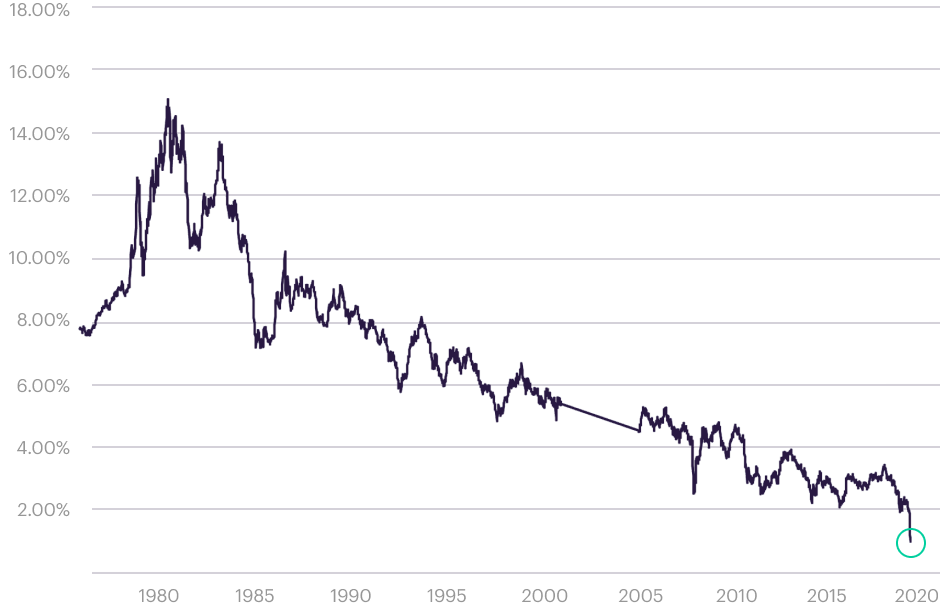
And right now is the best time in 50 years to save money on your mortgage. Interest rates have never been this low and by simple virtue of that fact, will likely not be again for a while.

See the chart below.


chart


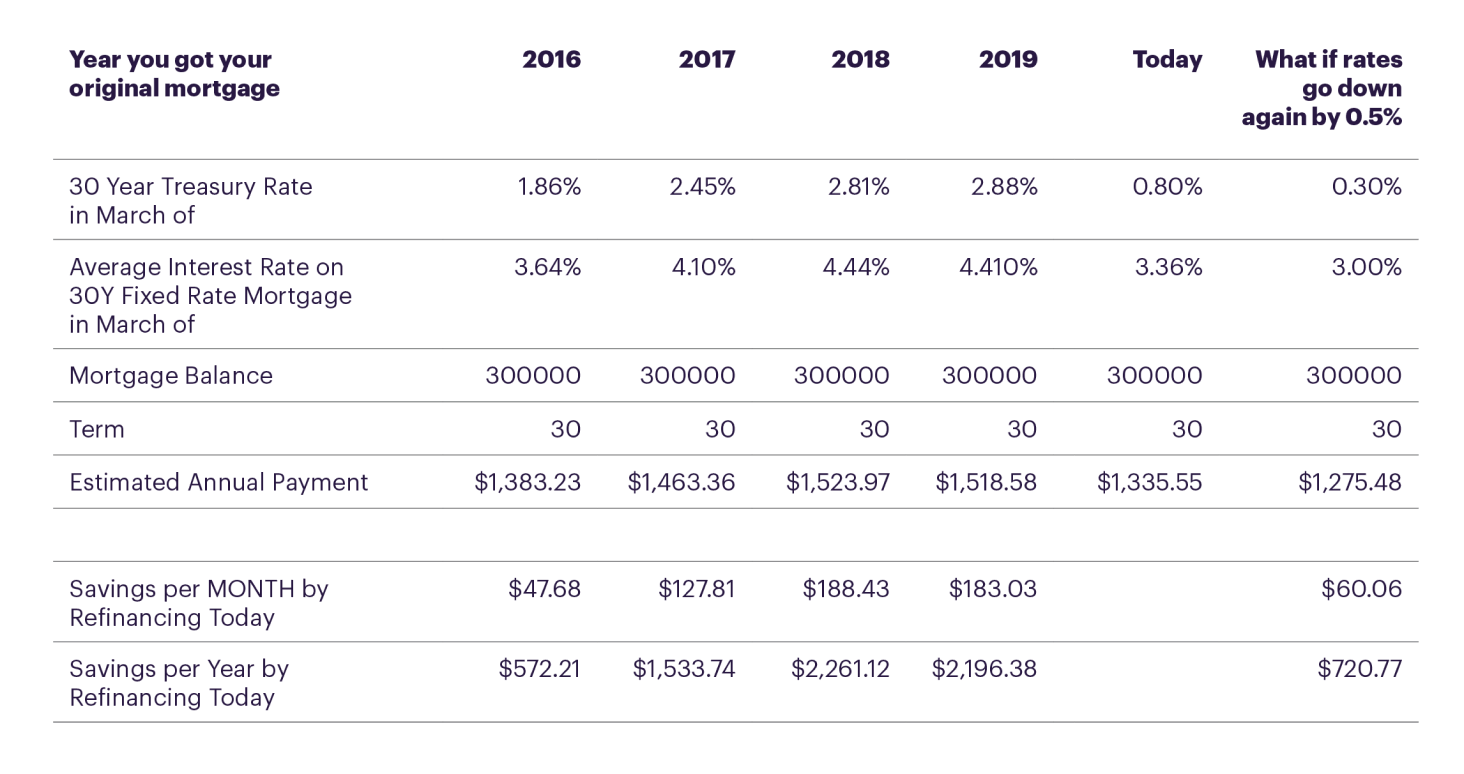
I also made a simple spreadsheet showing how much borrowers could be saving based on the past couple of years’ average rate for a 30-year fixed rate mortgage (the type that 95% of Americans have).
Here is what I think is so compelling. Let's say a homeowner took out a $300k mortgage within the past 5 years. On average, they'd stand to save $183 per month if they refinanced right now.

chart

Yes, rates could go down further, and you might save about $60 more per month if you are able to time the market perfectly. But you can have your cake and eat it, too.

As my dad used to tell me, a dollar saved is a $1.50 earned. By that logic, homeowners who refinance today could be earning an extra $2000+ a year.


Links: https://www.macrotrends.net/2521/30-year-treasury-bond-rate-yield-chart

*The loan scenarios displayed above are for illustrative purposes only. It does not reflect any specific loan terms, is not a commitment to lend and does not guarantee any specific amount of monthly savings. Your loan terms will be different based on current market rates, property type, loan amount, loan-to-value, credit score, debt-to-income ratio and other variables.

Related posts

Homeowner debt consolidation: equity options that actually work

Learn how homeowners can use a home equity loan, HELOC, or cash-out refinance to consolidate debt — and how to avoid debt relief scams. Compare costs, risks, and which option fits your situation.

Read now

Second mortgage vs. refinance: Your best option

Weighing a second mortgage versus refinance? Learn the main differences, pros and cons, and how to choose the best option for accessing your home equity.

Read now

How to buy an abandoned property: A step-by-step guide

Learn how to buy abandoned property with our guide covering finding, purchasing, and financing abandoned homes.

Read now

How to get equity out of your home without refinancing: smart homeowner's guide

Discover alternatives on how to get equity out of your home without refinancing. Learn about HELOCs, home equity loans, and other flexible financing options.

Read now

How long are appraisals good for? A concise guide

Find out how long appraisals are good for, how market and property conditions influence the validity period, and what to do if your appraisal has expired.

Read now

What are seller concessions? Examples, limits, and more

Learn how seller concessions work, who benefits from them, and how to negotiate them. Use this guide to understand seller concession limits by loan type.

Read now

Iran war impact on mortgage rates: Buyers still $30k better off than 2025

Rates climbed to 6.22% after US-Israel strikes on Iran, but you're still better off than a year ago. Discover why current mortgage rates offer $30,000 more buying power and what it means for your home purchase.

Read now

What is an FHA loan: Who qualifies and how it works

What is an FHA loan? Understand how FHA-backed mortgages work, who qualifies for them, the minimum credit and down payment, pros and cons, and steps to apply.

Read now

What is an escrow account, and how does it work?

What is an escrow account? Learn how it works, and why it helps protect buyers, sellers, and lenders. Discover the types, rules, and their real estate benefits.

Read now

Related FAQs

Interested in more?

Sign up to stay up to date with the latest mortgage news, rates, and promos.